
Tobacco Beetle Treatment: Professional Methods, Monitoring Statistics, and Long-Term Storage Protection
The Importance of a Structured Tobacco Beetle Treatment Program
Stored-product protection is an essential part of maintaining quality, operational efficiency, and inventory reliability. Tobacco beetles, also known as cigarette beetles, can develop in tobacco products, dried herbs, spices, and various other stored materials. Their small size and concealed development stages make systematic inspection especially valuable in storage and processing environments. Tobacco beetle treatment (菸甲蟲處理) combines accurate pest identification, targeted intervention, environmental management, and follow-up monitoring to support effective infestation management. For warehouses, manufacturers, and distribution facilities, a well-designed treatment program also creates opportunities to measure performance, improve inventory handling, and establish consistent quality management practices.
Understanding the Numbers Behind Tobacco Beetle Development
Biological data provides a useful foundation for planning treatment schedules. Under favorable conditions, the cigarette beetle’s complete life cycle can take approximately six to twelve weeks, although temperature, food availability, and other environmental factors influence development. This means that treatment planning should account for eggs, larvae, pupae, and adult beetles rather than focusing exclusively on visible insects.
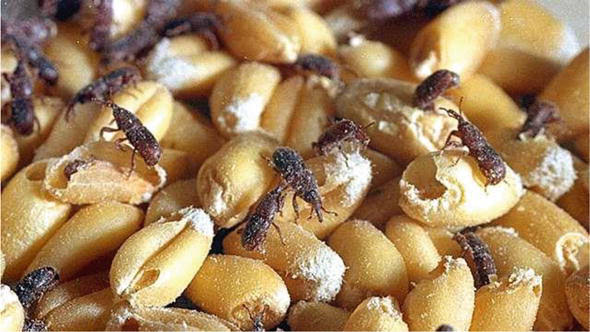
Adult beetles generally measure around two to three millimeters in length, making detailed inspections important when examining stored commodities and packaging. Their larvae develop within suitable materials, where they can remain unnoticed during routine visual checks.
These characteristics demonstrate why a single inspection may not provide a complete picture of pest activity. Combining biological knowledge with scheduled monitoring allows facility managers to establish suitable follow-up intervals and evaluate whether their treatment measures are achieving the intended results.
Identifying the Most Suitable Treatment Approach
Effective treatment begins with a detailed assessment of the affected environment. Professionals examine product categories, storage arrangements, infestation distribution, environmental conditions, and potential sources of insect activity before selecting suitable control measures.
Different facilities may require different strategies. A small storage room containing packaged tobacco products has different treatment considerations from a large warehouse handling dried agricultural materials. Product sensitivity, packaging requirements, ventilation, access restrictions, and operational schedules can all influence the treatment plan.
A professional assessment helps match the intervention to the specific circumstances. Depending on the findings, suitable options may include removal of infested materials, environmental adjustments, physical treatment methods, targeted insecticide applications, or professionally managed fumigation where permitted and appropriate.
This site-specific approach supports better resource allocation and creates a clear foundation for documenting treatment decisions.
Measuring Treatment Performance Through Key Statistics
Performance indicators help businesses evaluate treatment outcomes using consistent observations. Rather than judging success solely by the number of visible beetles, managers can examine several complementary measurements.
- Trap detection rate: The percentage of monitored traps recording beetle activity during a defined period.Capture trend: Changes in the number of beetles captured per trap between comparable inspection periods.Affected inventory rate: The proportion of inspected product lots showing confirmed infestation.Treatment completion rate: The percentage of planned treatment activities completed according to schedule.Follow-up inspection rate: The proportion of treated areas reassessed within the established monitoring period.
- Trap detection rate: The percentage of monitored traps recording beetle activity during a defined period.
- Capture trend: Changes in the number of beetles captured per trap between comparable inspection periods.
- Affected inventory rate: The proportion of inspected product lots showing confirmed infestation.
- Treatment completion rate: The percentage of planned treatment activities completed according to schedule.
- Follow-up inspection rate: The proportion of treated areas reassessed within the established monitoring period.
For example, a facility recording beetle activity at eight of forty monitoring points has a detection rate of 20%. If subsequent comparable monitoring records activity at four points out of forty, the rate becomes 10%.
This represents a 50% relative reduction in the detection rate, provided that monitoring conditions remain comparable. Although this example illustrates a useful performance measure, actual results must be interpreted alongside trap placement, inspection consistency, seasonal conditions, and other relevant observations.
The Role of Pheromone Monitoring in Treatment Verification
Pheromone traps provide valuable information about adult cigarette beetle activity. These devices use species-specific attractants to help detect insects and identify areas requiring closer investigation.
Strategically placed traps can support monitoring in receiving areas, storage zones, processing rooms, and locations where previous detections have occurred. Each monitoring point should have a documented location, installation date, inspection schedule, and capture record.
After treatment, professionals can compare new observations with the baseline data collected before intervention. A declining capture trend may indicate improvement, while repeated detections can help identify areas that require additional inspection.
Pheromone traps are primarily monitoring tools and should not automatically be considered a complete treatment solution. Their greatest value comes from combining capture records with product inspections, sanitation reviews, and professional assessment.
Improving Treatment Results Through Temperature and Environmental Management
Temperature management can be an important component of cigarette beetle treatment when the method is compatible with the affected materials. Carefully controlled heating or cooling may be used to manage insect life stages, but effective treatment depends on validated temperature conditions, exposure duration, product characteristics, and uniform treatment throughout the affected material.
Professional planning is especially important for large quantities of stored products because temperatures may vary between the surface and the center of a load. Monitoring equipment and documented procedures help verify that the required treatment conditions have been achieved.
Environmental management also supports long-term results. Maintaining suitable storage conditions, promptly cleaning product spills, inspecting incoming shipments, and organizing inventory can reduce opportunities for pest development.
These measures complement direct treatment and help establish a more consistent approach to stored-product protection.
Sanitation and Inventory Management as Treatment Support Measures
Sanitation plays an important role in preparing facilities for treatment and maintaining the improvements afterward. Product residues, dust, packaging debris, and overlooked stored materials can create conditions that support continued insect activity.
A practical sanitation program includes cleaning storage equipment, inspecting shelves and structural gaps, removing accumulated debris, and checking areas beneath pallets or around machinery. Cleaning procedures should be documented so that responsibilities remain clear across operational teams.
Inventory management provides another valuable layer of protection. First-in, first-out stock rotation, inspection of incoming goods, and clear identification of affected batches can improve traceability and simplify follow-up assessments.
Separating suspect materials from unaffected inventory, where operationally appropriate, also helps professionals assess the extent of a potential infestation. Together, these practices improve visibility across the storage environment and support more efficient treatment planning.
Why Professional Documentation Strengthens Long-Term Results
A detailed treatment report provides a reliable record of the work completed and the observations that informed each decision. Useful records include the inspection findings, affected locations, treatment methods, relevant environmental readings, and follow-up recommendations.
Monthly performance summaries can help managers compare detection rates and identify recurring patterns. For larger facilities, reporting by storage zone or product category can reveal where additional preventive measures may be beneficial.
Documentation also supports coordination between pest management professionals, warehouse supervisors, and quality assurance teams. When responsibilities and corrective actions are recorded clearly, organizations can integrate pest management into routine operational procedures.
Regular review of these records helps refine future treatment schedules and encourages continuous improvement through measurable results.
Conclusion: Building a Data-Driven Tobacco Beetle Treatment Strategy
Successful tobacco beetle treatment requires a coordinated combination of pest biology, accurate inspection, appropriate intervention, and consistent monitoring. Life-cycle information helps determine follow-up requirements, while pheromone traps and performance indicators provide measurable insights into changing pest activity. Environmental management, sanitation, and organized inventory practices further strengthen treatment outcomes. By integrating these methods into a documented professional program, businesses can improve stored-product protection, support quality assurance, and maintain more reliable storage operations. A structured, evidence-based strategy provides a practical foundation for effective treatment and sustained pest management.
