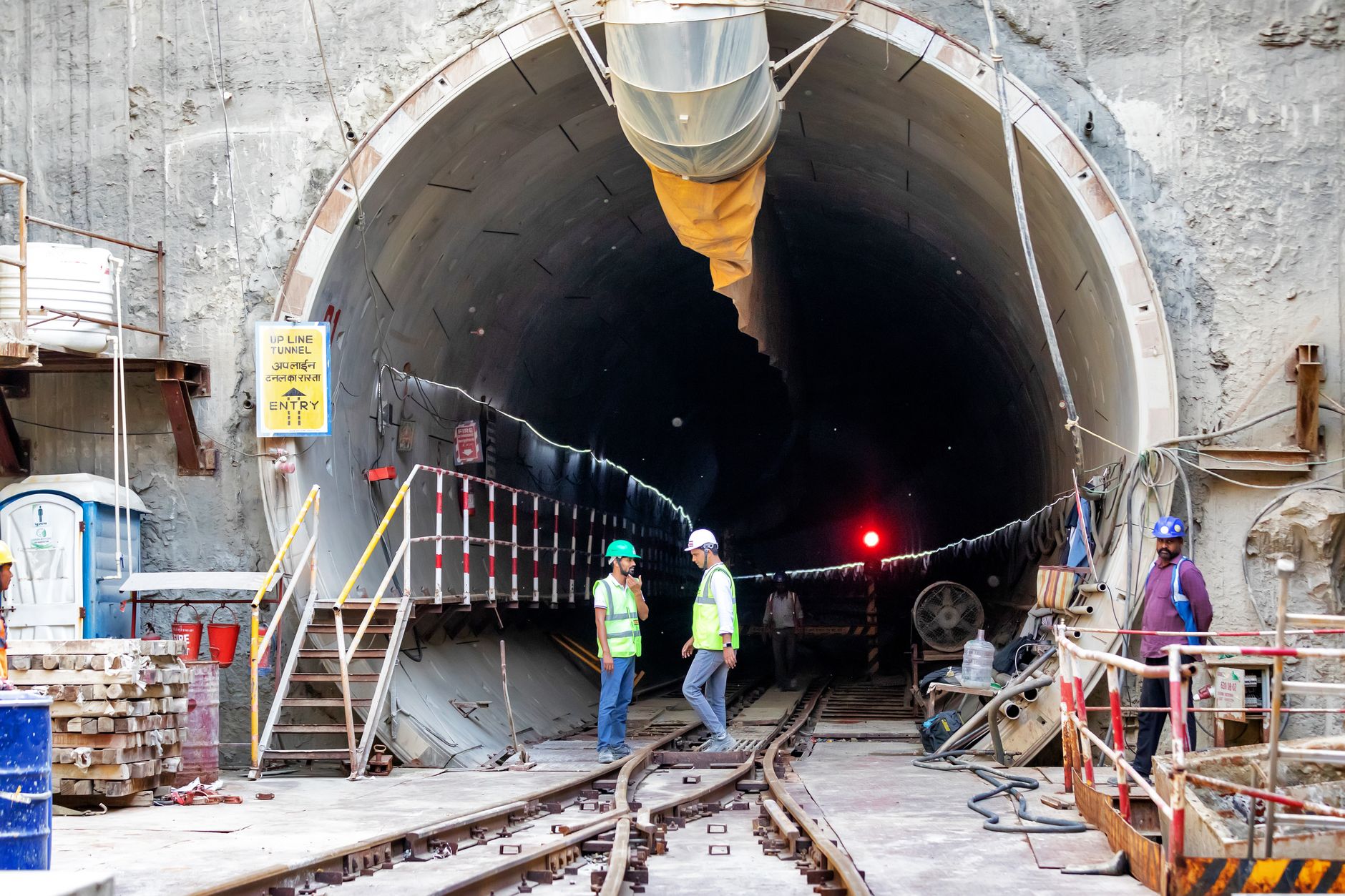
Are Railway Projects in India the Best Solution for the Philippines?
Railway projects India are becoming a focal point for the Philippines as stalled infrastructure initiatives seek new momentum. This partnership could reshape the future of transportation in the region.
Overview of Stalled Railway Projects in the Philippines
The Philippines has recently sought assistance from India in addressing its stalled railway projects. This collaboration comes at a time when the country is striving to improve its transportation infrastructure, which is crucial for economic growth and connectivity.
Several factors have contributed to the delays in the Philippine railway projects, including:
- Lack of funding: Financial constraints have hindered progress, making it difficult to secure investments for ambitious plans.
- Bureaucratic hurdles: Complex regulations and red tape often slow down project implementation, creating further obstacles.
- Technical challenges: Inadequate expertise and technology have also played a role in the stagnation of these initiatives.
India, renowned for its successful railway projects, offers a wealth of experience and innovative solutions that could be beneficial for the Philippines. By leveraging India’s expertise in railway infrastructure development, the Philippine government aims to revitalize its stalled railway projects and enhance the overall transportation system.
In conclusion, the partnership with India could prove to be a pivotal step in overcoming the challenges faced by railway projects in the Philippines.
Why the Philippines is Turning to India
The Philippines is increasingly looking to India as a potential partner to revitalize its stalled railway projects. This shift in focus arises from several compelling reasons.
- Expertise in Railway Development: India has extensive experience in executing large-scale railway projects, showcasing successful infrastructure developments that could serve as a model for the Philippines.
- Cost-Effectiveness: Indian railway projects often emphasize budget-friendly solutions without compromising quality, making them an attractive option for the financially constrained Philippines.
- Technological Advancements: Indian railway systems incorporate modern technologies that enhance efficiency and safety, presenting an opportunity for the Philippines to modernize its railway infrastructure.
- Government Support: The Indian government has expressed willingness to collaborate with the Philippines, providing not just technical know-how but also funding options that could kickstart stalled initiatives.
- Geopolitical Alliances: Strengthening ties with India through railway projects aligns with the Philippines’ broader strategy to diversify partnerships in the region.
Through these collaborations, the Philippines hopes to address its transportation challenges effectively, with railway projects in India serving as a promising pathway to progress.
Potential Benefits of Collaborating with India
The collaboration between the Philippines and India on railway projects could yield numerous advantages for the Southeast Asian nation. By leveraging India’s extensive experience in implementing large-scale railway projects, the Philippines may see significant improvements in its transportation infrastructure.
Some potential benefits of this collaboration include:
- Technology Transfer: India has developed innovative technologies for railway construction and operations, which could enhance the efficiency of the Philippine railway system.
- Cost-Effective Solutions: Indian railway projects are often executed at lower costs, making them financially viable for the Philippines to adopt.
- Job Creation: Collaborating with India could lead to the creation of many jobs in the Philippines, both during the construction phase and in ongoing operations.
- Boost to Trade: Improved railway connectivity can facilitate smoother trade routes, promoting economic growth and increasing bilateral trade between the two countries.
By focusing on railway projects, India and the Philippines could forge a partnership that not only addresses stalled initiatives but also paves the way for long-term development and regional connectivity.
Challenges Faced in Railway Infrastructure Development
The development of railway infrastructure in the Philippines has encountered several challenges that could hinder progress. These obstacles, if not addressed, may affect the successful implementation of railway projects in India.
Some of the key challenges include:
- Funding Limitations: Securing adequate financing for large-scale railway projects remains a significant hurdle, with budget constraints impacting the scope and scale of development.
- Land Acquisition Issues: The process of acquiring land for railway expansion can be protracted and contentious, often leading to delays and community resistance.
- Technical Expertise: There is a need for specialized skills and knowledge in railway engineering, which may not be readily available in the local workforce.
- Bureaucratic Challenges: Lengthy approval processes and regulatory hurdles can slow down project timelines, inhibiting timely execution.
- Maintenance and Sustainability: Ensuring the long-term viability and maintenance of railway infrastructure adds another layer of complexity to development efforts.
Addressing these challenges is crucial for the Philippines as it looks to India for potential solutions and expertise in railway projects.
Key Players in the Philippine Railway Sector
The Philippine railway sector is witnessing significant interest from various key players, particularly as it considers the potential of railway projects in India. Prominent government agencies and private entities are stepping forward to facilitate collaboration and development in the railway infrastructure.
- Department of Transportation (DOTr): As the primary government agency overseeing transportation projects, DOTr is crucial in implementing railway initiatives. They are actively exploring partnerships with India to revitalize stalled projects.
- Philippine National Railways (PNR): PNR plays a vital role in the operational aspect of railway services in the country. Their ongoing discussions with Indian firms aim to enhance service efficiency and expand network reach.
- Indian Railways: With extensive experience in executing large-scale railway projects, Indian Railways offers valuable expertise. Their involvement could bring innovative solutions tailored to the Philippine context.
- Private Investors: The interest from private sector investors is pivotal. They are looking for opportunities to invest in railway projects that promise growth and modernization.
These key players collectively hold the potential to transform the Philippine railway landscape through strategic partnerships and shared knowledge with India.
Successful Railway Projects in India
India has made significant strides in developing its railway infrastructure, showcasing projects that could serve as a model for the Philippines. With a focus on efficiency, sustainability, and modern technologies, successful railway projects in India highlight the potential benefits for other nations looking to enhance their transport systems.
Some notable railway projects include:
- Dedicated Freight Corridor: This project aims to decongest existing rail networks by creating a dedicated route for freight trains, resulting in faster and more reliable goods transportation.
- High-Speed Rail: India’s first high-speed rail project, connecting Mumbai and Ahmedabad, promises to reduce travel time significantly while boosting regional economies.
- Electrification Initiatives: With over 70% of its railway network electrified, India is reducing its carbon footprint and operational costs, which can inspire similar efforts in the Philippines.
These railway projects in India not only improve connectivity but also foster economic growth. By learning from these successes, the Philippines can address its stalled railway initiatives and move towards a more efficient transportation system.
Future of Philippine Infrastructure
The future of Philippine infrastructure holds significant promise, especially as the country looks towards successful railway projects in India for inspiration and collaboration. By leveraging India’s experience in implementing various railway initiatives, the Philippines aims to revitalize its transport system and enhance connectivity across its islands.
As the Philippine government prioritizes infrastructure development, there are several key factors to consider:
- Investment Opportunities: Engaging with Indian railway projects could attract foreign investment, boosting the Philippine economy.
- Technology Transfer: Collaboration may facilitate the transfer of advanced technologies that could improve operational efficiency and safety.
- Job Creation: The development of new railway lines can generate employment opportunities for local communities.
- Environmental Benefits: Railways offer a more sustainable transport alternative, potentially reducing traffic congestion and greenhouse gas emissions.
While there are challenges ahead, including securing funding and coordinating between multiple stakeholders, the potential benefits of collaborating with India on railway projects can pave the way for a transformative era in Philippine infrastructure. With the right strategies in place, the future of railway infrastructure in the Philippines could reflect the successful railway projects in India, fostering growth and connectivity.
Conclusion: A New Era for Transportation
In conclusion, the collaboration between the Philippines and India in railway projects presents a promising opportunity for revitalizing the nation’s transportation system. As the Philippines seeks effective solutions to its ongoing infrastructure challenges, the success of various railway projects in India serves as a beacon of hope. The expertise and technology that India offers could potentially accelerate the development of the Philippine railway network.
However, it is essential for stakeholders to recognize the challenges ahead. From navigating bureaucratic hurdles to securing adequate funding, the path to successful implementation will require concerted efforts and strategic planning. Engaging local communities and ensuring sustainability will also be crucial in this endeavor.
Despite these challenges, the potential benefits of this collaboration are substantial. By learning from India’s experiences, the Philippines can not only enhance its transportation infrastructure but also drive economic growth and job creation. The focus on railway projects in India emphasizes the importance of modernizing transportation systems to meet the demands of a growing population.
Ultimately, this partnership could mark a new era for transportation in the Philippines, paving the way for a more efficient and connected future.
Many experts believe that railway projects India could serve as a valuable model for the Philippines, given their success in improving transportation efficiency. By analyzing the implementation of railway projects India, the Philippines can identify best practices to enhance its own infrastructure development.
Photo by Anil Sharma on Pexels
Sources
Related stories
New Tashkent International Airport: Best Proven Project Success · Smart City Projects: Proven Strategies for Timely Completion · DLF Revenue Growth: Proven Strategies for Future Success