
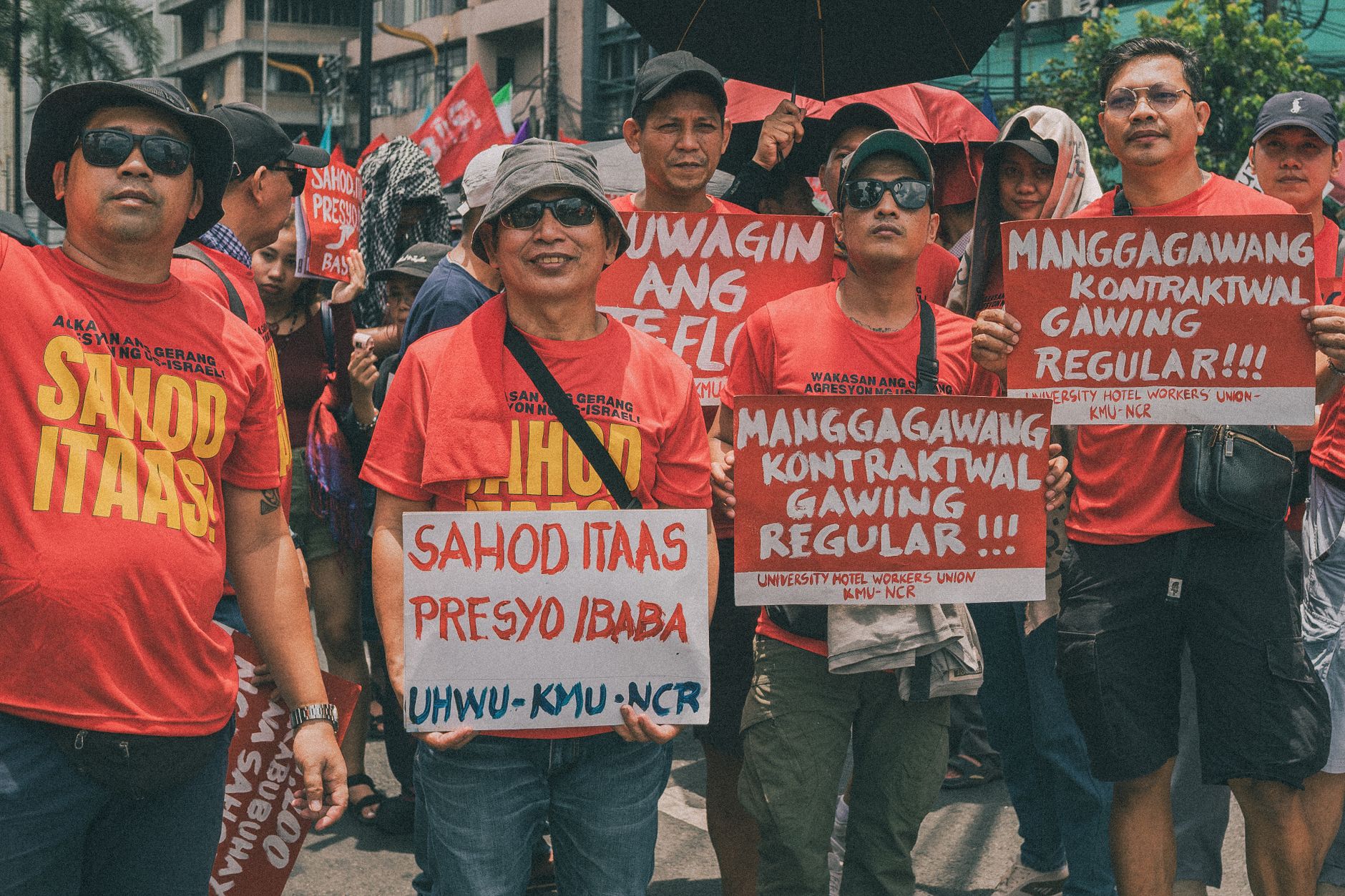
Filipino employment programs: Proven ways to boost jobs
Filipino employment programs are set to launch as Marcos introduces new initiatives aimed at boosting job opportunities for citizens. These programs promise to create a positive impact on the employment landscape in the Philippines.
Overview of the new employment initiatives
The recent launch of the Tupad programs by President Marcos marks a significant step forward in the ongoing efforts to enhance Filipino employment programs. These initiatives aim to provide immediate job opportunities and improve the livelihoods of many Filipinos affected by the economic challenges brought on by the pandemic.
Among the key features of these new employment initiatives are:
- Short-term employment: The programs offer temporary jobs that cater to the immediate needs of workers, ensuring they can support themselves and their families while seeking long-term employment.
- Skills training: Participants will have access to training programs that equip them with essential skills, making them more competitive in the job market.
- Community projects: The initiatives will focus on various community development projects, allowing workers to contribute to local improvements while earning a wage.
- Collaborations with local governments: The programs will partner with local government units to identify areas of need and effectively implement job creation strategies.
These employment programs have the potential to significantly boost job opportunities and support the economic recovery of the nation, reinforcing the government’s commitment to improving the lives of its citizens.
Impact of Tupad programs on local economy
The implementation of the Tupad programs has shown a significant impact on the local economy, particularly in improving Filipino employment programs. These initiatives aim to provide immediate job opportunities for marginalized communities, helping them secure a stable income.
One of the primary benefits of the Tupad programs is their ability to address unemployment through various short-term work projects. This includes:
- Community clean-up drives: Engaging locals in maintaining cleanliness and sanitation in their neighborhoods.
- Infrastructure development: Employing residents in the construction and repair of public facilities.
- Agricultural support: Providing jobs in farming and food production to enhance local food security.
Additionally, these programs contribute to a more robust local economy by:
- Injecting cash flow: Workers receive wages that are then spent within their communities, boosting local businesses.
- Building skills: Participants gain valuable experience and skills that increase their employability in the long run.
The success of the Tupad programs serves as a model for future Filipino employment programs, demonstrating a proactive approach to tackling unemployment and fostering economic resilience.
How Filipino employment programs will operate
The newly launched Filipino employment programs are designed to address the pressing need for job creation across various sectors. These initiatives will operate through a structured framework aimed at providing immediate assistance and long-term solutions for job seekers.
One of the primary components of these programs is the implementation of skills training workshops. These workshops will focus on equipping participants with essential skills that are in demand in the current job market. The government aims to collaborate with local businesses to tailor these training sessions, ensuring that they meet industry standards.
Additionally, the programs will include:
- Job placement services: Connecting job seekers with potential employers through job fairs and online platforms.
- Financial assistance: Offering stipends to participants during their training to alleviate immediate financial pressures.
- Community outreach: Engaging local organizations to raise awareness about available opportunities and encourage participation.
Through these comprehensive strategies, the Filipino employment programs aim not only to boost job numbers but also to enhance the overall skill set of the workforce, ultimately contributing to a more robust economy.
Success stories from previous programs
Several success stories have emerged from previous Filipino employment programs, showcasing their effectiveness in providing job opportunities and supporting communities. One notable example is the implementation of the Tulong Panghanapbuhay sa Ating Disadvantaged/Displaced Workers (TUPAD) program, which has helped thousands of individuals secure temporary employment in various sectors.
Participants in the TUPAD program reported significant positive changes in their lives, including:
- Increased income: Many beneficiaries were able to contribute to their households, alleviating financial burdens.
- Skill development: The program offered training sessions, enabling participants to acquire new skills that enhanced their employability.
- Community engagement: Local projects fostered a sense of community as participants worked together to improve their neighborhoods.
Another success story is the Pangkabuhayan sa Pagbangon at Ginhawa initiative, which provided micro-financing options for small business owners. This program empowered individuals to start their own ventures, leading to job creation and economic growth.
These success stories underscore the importance of Filipino employment programs, demonstrating their role in transforming lives and bolstering local economies. With the launch of new initiatives, there is hope for continued progress in job creation across the nation.
Government’s commitment to job creation
The Philippine government has pledged to enhance job creation through various initiatives aimed at addressing unemployment and underemployment among Filipinos. This commitment is evident in the recent launch of new programs designed to stimulate the economy and provide sustainable employment opportunities.
Under the leadership of President Ferdinand Marcos Jr., the administration has emphasized the importance of strategic employment programs that not only create jobs but also equip the workforce with essential skills. The focus on Filipino employment programs reflects a broader strategy to balance economic growth with social responsibility.
Key aspects of the government’s commitment include:
- Investment in Training: Ensuring that workers have access to training and development to enhance their employability.
- Partnerships with Local Businesses: Collaborating with private sector players to create job opportunities tailored to community needs.
- Support for Vulnerable Groups: Implementing targeted programs for women, youth, and marginalized communities to ensure inclusive growth.
These initiatives signify a robust approach to combatting unemployment, showcasing the government’s dedication to fostering a resilient workforce that can adapt to the evolving job market.
Challenges facing employment initiatives
Despite the positive impacts of various Filipino employment programs, several challenges hinder their effectiveness. These issues can significantly affect the overall success of job creation initiatives across the country.
- Lack of Funding: Insufficient financial resources often limit the reach and sustainability of employment programs. Many initiatives rely heavily on government funding, which may not be consistent.
- Skills Mismatch: There is often a disconnect between the skills taught in training programs and the actual requirements of industries. This mismatch leads to a situation where many graduates are unable to find suitable employment.
- Accessibility: Some regions, particularly remote areas, face challenges in accessing employment programs. Limited transportation options and lack of awareness can prevent potential beneficiaries from participating.
- Regulatory Hurdles: Bureaucratic inefficiencies can slow down the implementation of programs. Delays in approvals and complicated processes often deter employers from hiring through government initiatives.
- COVID-19 Aftermath: The pandemic has left many sectors struggling to recover, making it difficult for new employment programs to gain traction. Many businesses are still cautious about hiring due to economic uncertainty.
Addressing these challenges is crucial for the success of Filipino employment programs and the broader goal of job creation.
Future outlook for Filipino job market
The future outlook for the Filipino job market remains optimistic, driven by a series of innovative employment programs aimed at enhancing job opportunities across the nation. With the government’s commitment to job creation, it is expected that these initiatives will cater to the diverse needs of the Filipino workforce.
As the economy rebounds, several factors will play a crucial role in shaping the job landscape:
- Technological Advancement: The increasing adoption of technology in various sectors is paving the way for new job roles, particularly in IT, digital marketing, and e-commerce.
- Skills Development: Ongoing training and skills enhancement programs will ensure that workers are equipped to meet the demands of modern employers, making Filipino employment programs more effective.
- Public-Private Partnerships: Collaborations between government and private entities can create more job opportunities, as businesses are encouraged to participate in developing local talent.
- Sectoral Growth: Industries such as tourism, agriculture, and manufacturing are predicted to grow, further boosting the job market.
Overall, the combination of these factors suggests that the Filipino job market is on a path to recovery and growth, with employment programs playing a pivotal role in this transformation.
Many experts believe that enhancing Filipino employment programs can lead to significant economic growth. By investing in these Filipino employment programs, the government can create more opportunities for job seekers across the nation.
Photo by Clarence Gaspar on Pexels
Read the original
Are NZ house sales the worst in recent history? · Apple TV 4K features: Is it the best smart home device? · Thomson QLED TVs: Are They the Best Option for You?
