When Snowmelt Seeps In: How to Stop Moisture from Damaging Your Basement
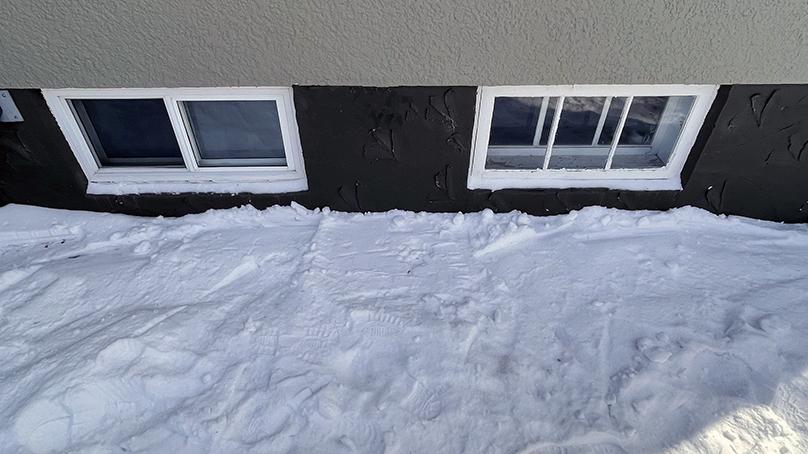
When winter ends and temperatures begin to warm up, snowmelt can create serious problems for basements. Large amounts of melting snow release water that must drain somewhere, and if the ground is frozen or saturated, that water often finds its way into your home. Basements are especially vulnerable because they sit below ground level. Learning the causes of snowmelt seepage and the steps to prevent it can help protect your home from costly water damage.
Why Snowmelt Creates Basement Moisture Problems
Snow does not melt slowly or evenly. A warm spell or sunny day can cause several inches of snow to melt at once. If the soil around your home is still frozen, the melting water cannot soak into the ground. Instead, it pools around your foundation and pushes against the walls. This pressure can force water through cracks, small gaps, or weak points in your foundation.
Improper grading is another problem. If the ground slopes toward your home rather than away from it, snowmelt naturally flows toward the basement walls. Clogged gutters and downspouts can also spill water directly near the foundation, adding even more pressure during the melt.
Warning Signs That Snowmelt Is Seeping Into Your Basement
Basement leaks from snowmelt often begin slowly. You may see damp spots on floors or walls, or notice a musty odor that becomes stronger after warm winter days. Water stains forming in the corners of the basement are a common early sign.
If the problem gets worse, puddles may appear along the edges of the room. Paint may begin peeling, and a white chalky substance called efflorescence may appear on walls where water has evaporated. If you see any of these signs, the issue needs attention before mold or structural damage occurs.
How to Prevent Snowmelt from Entering Your Basement
Good drainage is the most important step in preventing basement water problems. Start by cleaning your gutters and making sure downspouts send water at least six feet away from your home. You can use extensions or splash blocks to help guide water away from the foundation.
Also, check the grading around your home. Soil should slope downward so snowmelt naturally drains away. If it slopes toward the house, add soil to build a gentle slope outward. Inside the basement, seal cracks with waterproof epoxy and consider applying a waterproof coating to the walls.
A working sump pump is another key tool. Test yours before the snowmelt season by pouring water into the sump pit and watching to see if it activates. If you live in an area with heavy snowfall, adding a backup sump pump can prevent flooding if the main pump fails.
What to Do if Your Basement Gets Wet
If water enters your basement during snowmelt, take action immediately. Remove soaked items, place fans in the area, and use a wet vacuum to remove standing water. Do not attempt to open walls or tear out materials until the source of the leak has been identified.
Next, call a professional restoration company. They can check for hidden moisture, dry the area correctly, and help prevent mold from forming. Professionals also determine whether the leak is caused by foundation issues, poor drainage, or another problem.
Why Professional Restoration Matters
Basement water damage can be more extensive than it appears on the surface. Moisture can travel behind walls, soak into insulation, and weaken wood framing. Without the right equipment, it is nearly impossible to dry these areas completely.
“Snowmelt surprises a lot of homeowners because leaks often appear out of nowhere,” says David Rogers, owner of Service Pro Restoration of Detroit MI. “Our team knows how to find the hidden moisture that can cause trouble long after the melt is over.”
Protecting Your Basement Before and After Snowmelt
Snowmelt seepage is a common winter problem, but it does not have to become a disaster. With proper drainage, routine maintenance, and quick action when water appears, you can protect your basement from major damage. Stay alert during warm spells, test your sump pump, and keep water flowing away from your home. A few simple steps go a long way toward keeping your basement dry and healthy all winter long.