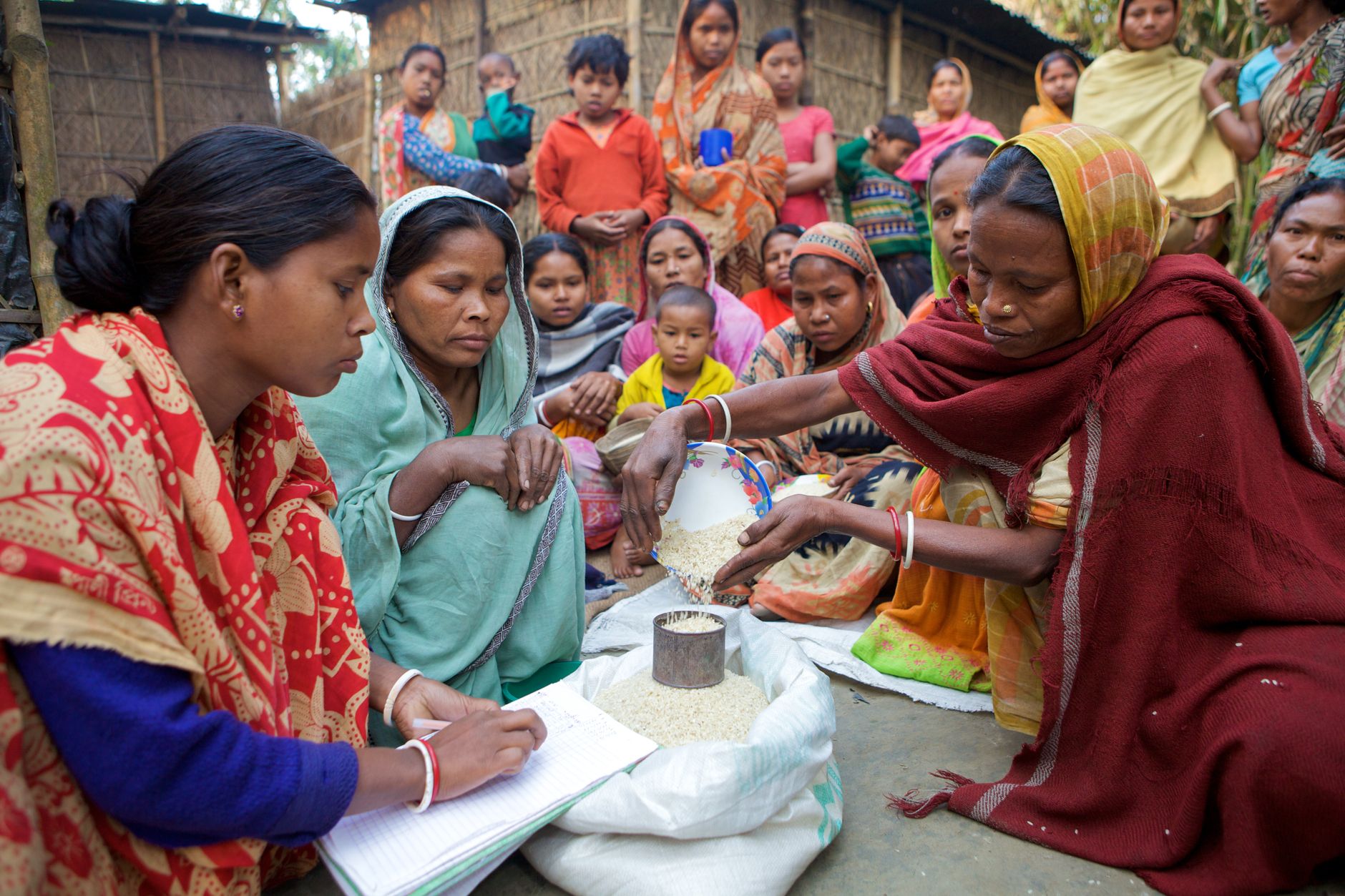
Rural women empowerment: Is it the best proven way to help?
rural women empowerment is a crucial initiative that aims to uplift women through skill development and employment opportunities.
Overview of Project Saksham
Project Saksham, initiated by the National Highways Authority of India (NHAI), aims to empower rural women through skill development and employment opportunities. This initiative recognizes the crucial role of rural women empowerment in fostering sustainable development within communities. By providing targeted training programs, Project Saksham equips women with essential skills in various fields, including construction, maintenance, and administration related to highway projects.
The project not only enhances the economic independence of women but also contributes to their social status, encouraging a shift in traditional gender roles. Participants receive hands-on training and mentorship, ensuring they are prepared for the workforce. Success stories from the program highlight the transformative impact of empowering women in rural areas, proving that investing in their skills is a step towards broader community progress.
Through Project Saksham, NHAI demonstrates its commitment to promoting gender equality and sustainable development in rural India.
Impact on Rural Communities
The impact of rural women empowerment extends beyond individual beneficiaries, significantly transforming entire communities. By equipping women with skills and creating employment opportunities, initiatives like Project Saksham foster economic stability and growth in rural areas. This empowerment leads to increased household incomes, allowing families to invest in education and healthcare.
Moreover, when women participate in the workforce, they often reinvest their earnings into their communities, supporting local businesses and services. This ripple effect enhances the overall quality of life, promoting social cohesion and resilience.
Furthermore, as women gain leadership roles, they advocate for their rights and contribute to decision-making processes, ensuring that the needs of rural communities are addressed. Ultimately, empowering women is not just a matter of gender equality; it is a proven strategy for sustainable rural development.
Skill Development Programs Offered
Project Saksham has introduced several skill development programs aimed at empowering rural women and enhancing their employability. These programs focus on providing practical skills that align with market demands and local opportunities.
- Tailoring and Stitching: Women are trained in garment making, allowing them to start their own businesses or work for local brands.
- Digital Literacy: Courses on basic computer skills and online marketing empower women to navigate the digital landscape.
- Handicrafts and Artisanal Skills: Participants learn traditional crafts, preserving cultural heritage while generating income.
By equipping rural women with these essential skills, Project Saksham not only fosters self-sufficiency but also promotes rural women empowerment, contributing to broader economic growth in these communities.
Success Stories from Participants
Participants in NHAI’s ‘Project Saksham’ have shared inspiring success stories that highlight the effectiveness of rural women empowerment initiatives. Many women have transformed their lives through the skills they acquired, leading to financial independence and enhanced self-esteem.
- Meera, a mother of three, learned tailoring and now runs a successful boutique, providing employment to other local women.
- Sunita mastered digital marketing, which enabled her to start a home-based business, increasing her family’s income significantly.
- Radha became a community health worker, using her knowledge to improve healthcare access for her village, thus becoming a role model for younger generations.
These stories reflect the profound impact of skill development programs on the lives of rural women, showcasing the potential of rural women empowerment to create lasting change in their communities.
Challenges Faced by Rural Women
Despite the progress made through initiatives like Project Saksham, rural women empowerment still faces several challenges that need to be addressed.
- Lack of Access to Resources: Many rural women struggle to access essential resources such as education, healthcare, and financial services.
- Cultural Barriers: Deep-rooted societal norms often restrict women’s roles, limiting their participation in economic activities.
- Limited Mobility: Transportation issues can hinder women from reaching training centers or job opportunities, affecting their ability to acquire new skills.
- Economic Dependency: Many women remain economically dependent on male family members, making it difficult for them to pursue independent livelihoods.
Addressing these challenges is crucial for achieving sustainable rural women empowerment and maximizing the impact of initiatives aimed at improving their lives.
Future of Women Empowerment Initiatives
The future of women empowerment initiatives, particularly in rural areas, hinges on the sustained support and adaptability of programs like Project Saksham. As rural women empowerment continues to gain recognition, it is crucial to build upon the existing frameworks to ensure long-lasting impact.
Moving forward, the focus should be on:
- Collaboration: Engaging local governments, NGOs, and communities to create a unified approach.
- Education: Enhancing access to education for women and girls to break the cycle of poverty.
- Technology: Leveraging digital tools to expand market access and information sharing.
- Sustainability: Ensuring that initiatives are economically viable and environmentally friendly.
By addressing these areas, we can maximize the potential of rural women empowerment initiatives and foster a brighter future for rural communities.
Government Support for Rural Development
The government plays a crucial role in promoting rural women empowerment through various initiatives aimed at enhancing skill development and providing employment opportunities. Programs like Project Saksham are designed to specifically target the needs of rural women, ensuring they gain the necessary skills to thrive in today’s job market.
Additionally, financial support through microloans and grants has been instrumental in helping women start their own businesses, fostering a sense of independence and community growth. This support not only uplifts individual women but also contributes to the overall economic stability of rural areas.
Key measures include:
- Training Workshops: Focused on essential skills such as tailoring, agriculture, and handicrafts.
- Access to Markets: Facilitating platforms for women entrepreneurs to sell their products.
- Networking Opportunities: Connecting women with mentors and fellow entrepreneurs.
How to Get Involved in Project Saksham
Getting involved in Project Saksham is an excellent opportunity to support rural women empowerment. Interested individuals and organizations can contribute in several meaningful ways:
- Volunteer Your Time: Mentoring and training sessions can benefit from skilled volunteers who can share their expertise with participants.
- Donate Resources: Financial contributions or materials such as sewing machines, computers, and educational supplies can enhance the program’s effectiveness.
- Spread the Word: Sharing information about Project Saksham on social media and within your community can help attract more participants and supporters.
- Collaborate: Partnering with local businesses and NGOs can provide additional resources and networking opportunities for rural women.
Every effort counts in fostering an environment where rural women can thrive and achieve economic independence.
Photo by Ian Taylor on Pexels