
Signs of Hidden Water Leaks Inside Walls
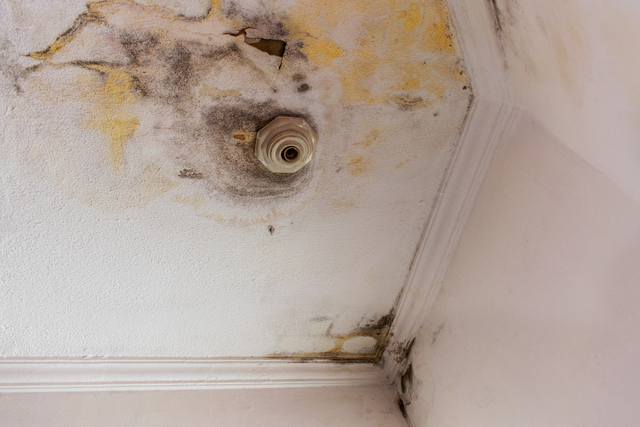
Hidden water leaks in walls remain undetected for extended periods because they persistently damage both structural elements as well as interior finishes of the building. The leakage remains concealed which results in building damage that manifests through alterations in both wall surfaces and ceiling sections and adjacent spaces.
The process of detecting these indicators at an early stage enables organizations to protect their assets from further destruction while minimizing their expenses for restoration work. The majority of minor leaks transform into critical problems when people fail to resolve them within the required timeframe.
Why Hidden Leaks Are a Concern
The water leaks which occur within wall spaces generate two primary issues because they cause structural damage to buildings and lead to indoor air contamination. Continuous exposure to moisture creates various problems which include material degradation and paint and plaster deterioration and mould growth conditions.
The electrical system will sustain damage which creates new safety hazards that develop over the course of time. The process of early detection enables building managers to perform necessary repairs while maintaining building integrity.
Common Signs of Hidden Water Leaks
- Damp or Discoloured Patches
The first sign of a concealed leak detection process shows itself through damp patches that develop on both walls and ceilings. The patches start with a smaller size which continues to grow until they reach their maximum dimensions.
The presence of moisture behind surface materials will cause paint to develop two distinct problems through paint bubbling and paint peeling.
- Peeling Paint or Blistering Plaster
The presence of trapped moisture inside walls leads to two different effects that damage wall surfaces. The paint will begin to show two separate problems when it starts to peel and crack and creates blisters. The plaster will start to lose its strength and begin to separate from the wall surface.
The common pattern appears in locations that are situated near plumbing pipes and bathrooms and kitchen areas.
- Musty Odour
A room that continues to emit a musty smell requires investigation because the odor indicates concealed moisture problems. The situation occurs when water gets trapped in an area without adequate airflow for an extended period.
The presence of an odour needs further investigation even when there are no visible signs of damage.
- Mould or Mildew Growth
Continuous moisture in walls creates a suitable environment for mould to grow. Mould appears as black and green and grey patches that develop on different surfaces.
The material frequently appears in corner spaces which extend from furniture to water pipe installation areas. Mould creates two dangerous effects because it destroys surfaces while it worsens the quality of air inside buildings.
- Warped or Swollen Walls
Excess moisture causes walls to expand and materials to deform. In certain situations, walls experience slight bulging which results in an uneven appearance.
Wooden panels and laminates and drywall installations show this phenomenon because they absorb moisture at higher rates than other materials.
Unexplained Increase in Water Bills
Leaks may remain hidden until they develop visible indicators which follow. The system experiences leakage when there is an unexplained increase in water usage that occurs either suddenly or gradually.
This situation represents one of the initial warning signs which occur before any visible damage becomes apparent.
Sound of Running Water
During quiet periods, people are able to detect the sound of water which flows and drips through the walls. The sound functions as a signal because it shows there is a current plumbing system leak that requires assessment.
People tend to hear these sounds better during nighttime hours when all their home appliances remain turned off.
Areas Where Hidden Leaks Commonly Occur
Leaking pipes under hidden conditions develop more frequently in locations which contain both plumbing systems and areas that experience high levels of water contact.
Common locations include:
- Behind bathroom walls
- Kitchen sink and pipeline areas
- Around water heaters
- Inside walls with concealed plumbing
- Near washing machine connections
The areas require inspection whenever any of the previously mentioned signs become visible.
How Electricians or Plumbers Identify the Issue
The detection process for hidden leaks requires professionals to follow established procedures which lead to confirmation of their existence. The first assessment process requires inspectors to visually examine the damaged areas while they look for moisture patterns.
In addition to basic observation, they may:
- Check water meter readings for continuous usage
- Inspect visible plumbing connections
- Use moisture detection tools
- Trace pipeline routes inside walls
The walls require section openings because the exact leak source needs to be found.
When to Seek Professional Help
Hidden leaks should be addressed as soon as signs are noticed. Delaying action can lead to further structural damage with increased repair work.
Professional help should be considered if:
- Damp patches continue to grow
- Mould spreads across surfaces
- There is a persistent musty smell
- Water usage increases without reason
- The source of leakage is not visible
Preventive Measures
The chance of leaks occurring can be reduced through regular inspection as well as proper equipment maintenance even though complete leak prevention remains impossible.
Some basic precautions include:
- Periodic checking of plumbing lines
- Ensuring proper sealing in wet areas
- Repairing minor leaks immediately
- Avoiding poor-quality fittings
- Monitoring water usage regularly
Summary
The presence of concealed water leaks inside wall spaces leads to slow destruction which remains hidden from view until later stages. The common indicators of this condition include damp patches, peeling paint, musty odour, mould growth, and changes in wall structure.
The system can identify issues through its early detection process which enables upcoming problems to be located with accuracy before they develop into major problems. The establishment of leak sources needs complete examinations of both plumbing systems and all areas which have been affected.
The process of building construction repair requires immediate emergency work together with continuous maintenance activities which protect the structure from further damage while preserving its original building design.
Tradefox – a construction training platform focuses on practical ways to identify common plumbing problems. Recognizing signs of hidden water leaks inside walls can help avoid costly repairs and damage.
